
The events of the SSE
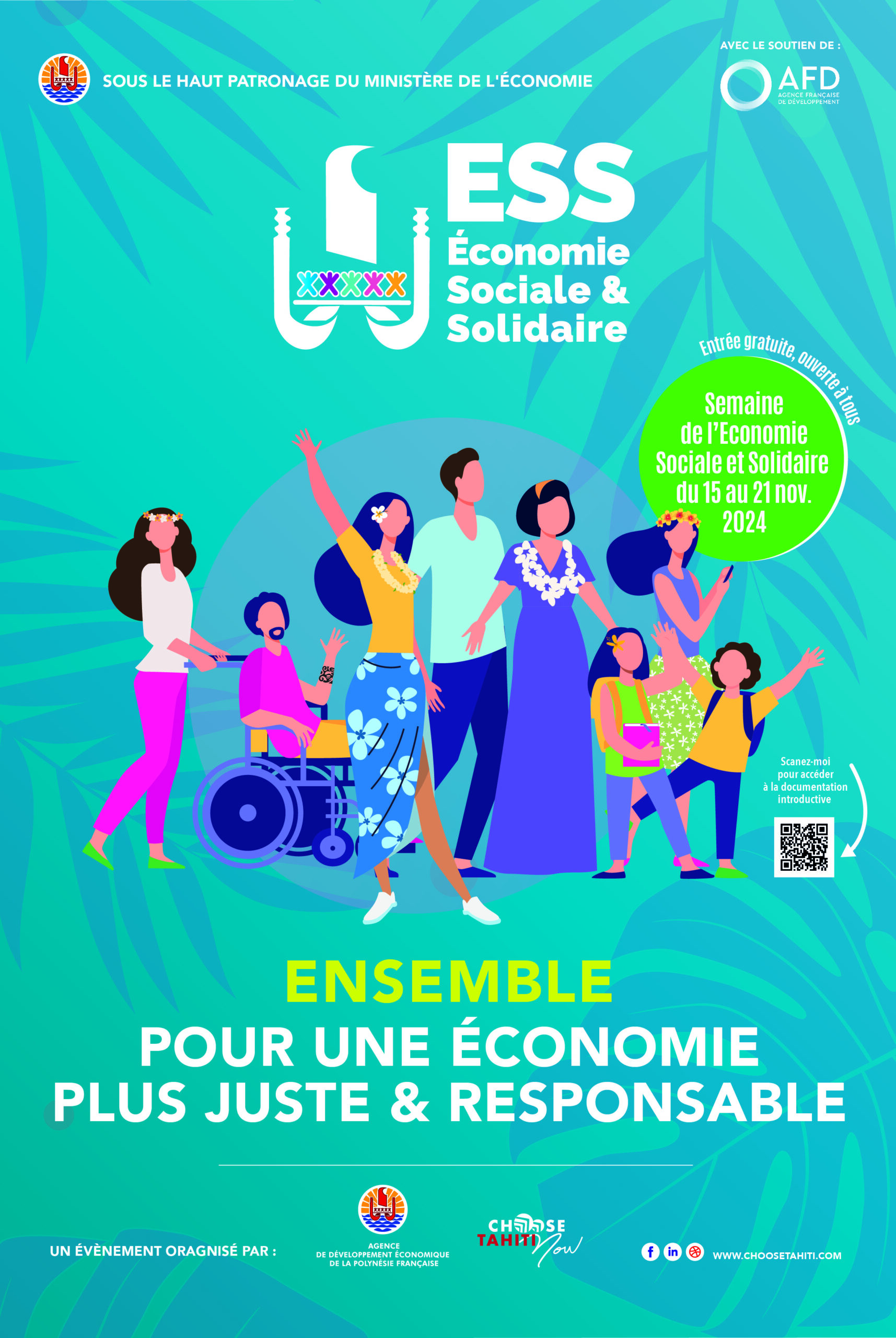
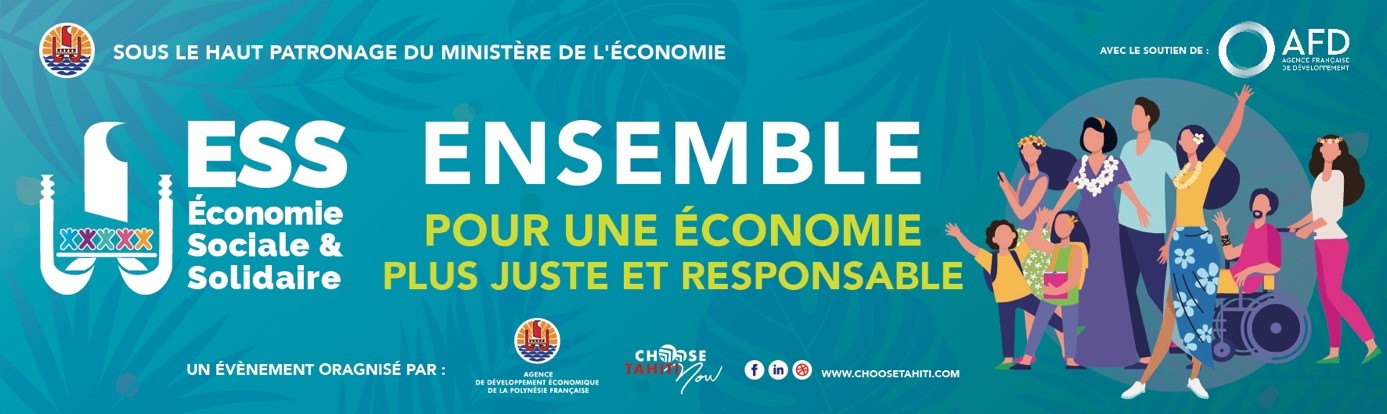
SSE Week (1st edition) – November 2024
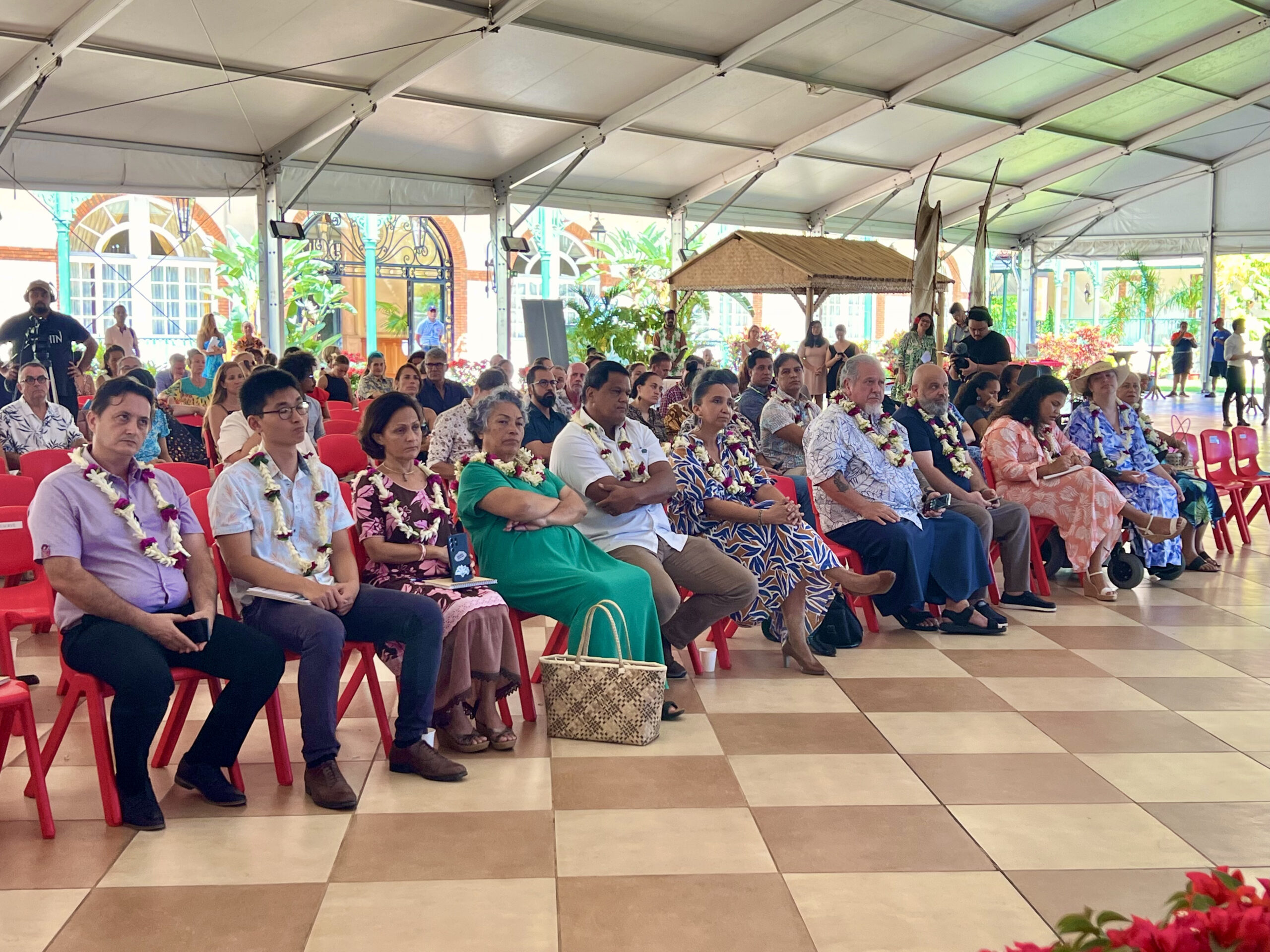
This event, which is the first initiative of its kind in our region and is set to be repeated every year, marked a new milestone in the structuring of the Social and Solidarity Economy (SSE) sector at the local level. It is part of a broader framework, echoing the “SSE Month” held every year in November at the national level.
The event aims to highlight local players in the Social and Solidarity Economy (SSE) through conferences, round tables, testimonials, and feedback attesting to the diversity of the sectors involved in this innovative way of doing business. A wide range of fields of activity are represented, such as digital technology, the environment, social issues, culture, traditional crafts and arts, the primary sector, etc. This is an opportunity to discuss the challenges, prospects, and opportunities offered by this approach, following on from the fruitful exchanges that took place during the Prospective Day for the Economy (JPE) and the interest shown by a large number of public, private, and associative actors based in the region.
This meeting of Polynesian stakeholders in the Social and Solidarity Economy (SSE) also takes place in a highly symbolic context, as 2024 marks the 10th anniversary of the adoption of national law no. 2014-856 of July 31, 2014, on the Social and Solidarity Economy. This was a unique opportunity to review the progress made and discuss the possibilities and prospects for implementing a similar regulatory framework adapted to French Polynesia.
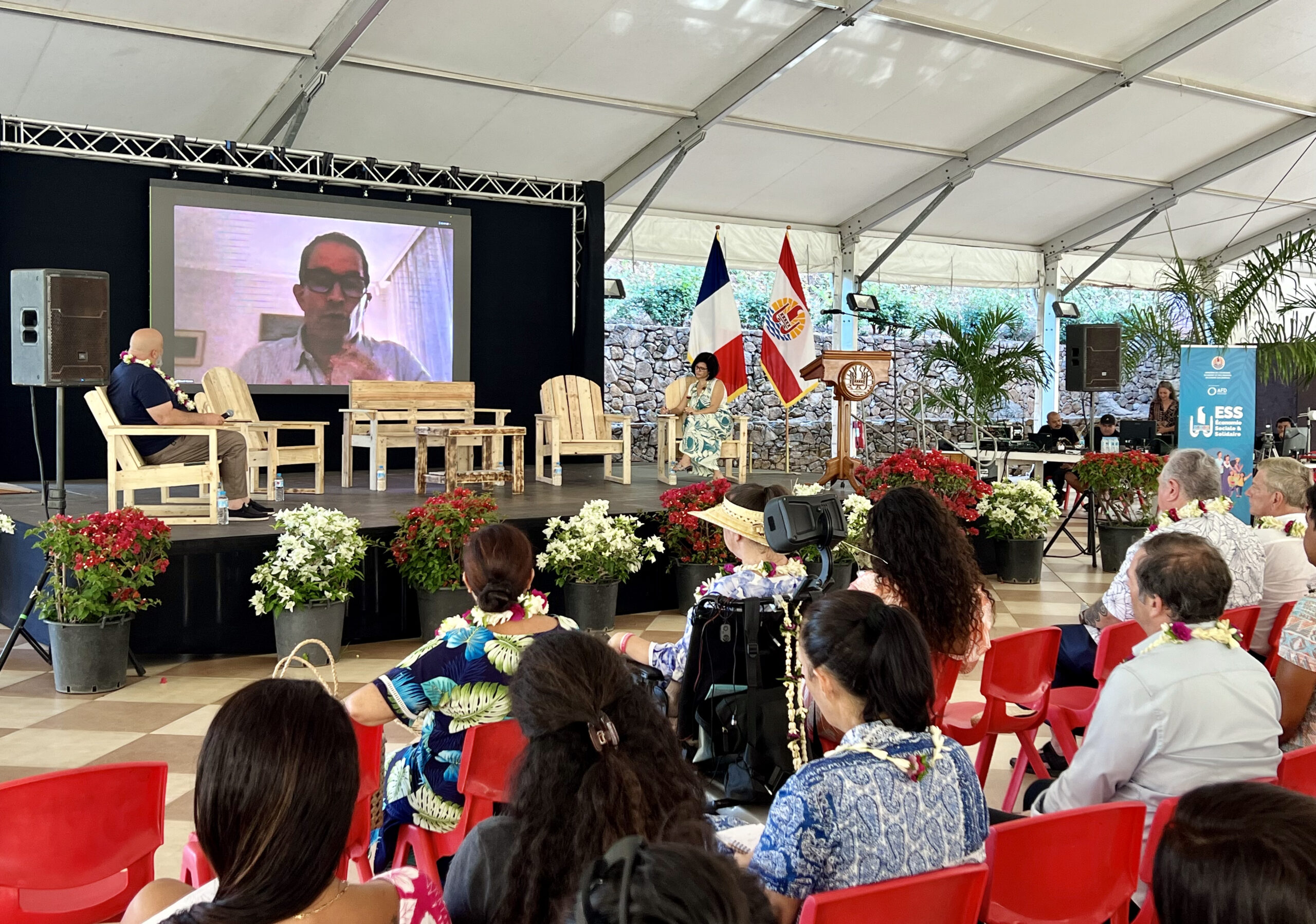
Mr. Ben Amar ZEGHADI, National Delegate for Overseas Territories of ESS France, participated throughout the event. He presented the fundamentals of the Social and Solidarity Economy (SSE) and explained the benefits, given the challenges facing French Polynesia, of developing this new way of doing business in our islands and archipelagos. Mr. Benoît HAMON, founder of the SSE law and now president of ESS France, spoke remotely during the plenary session on Monday, November 18, 2024.
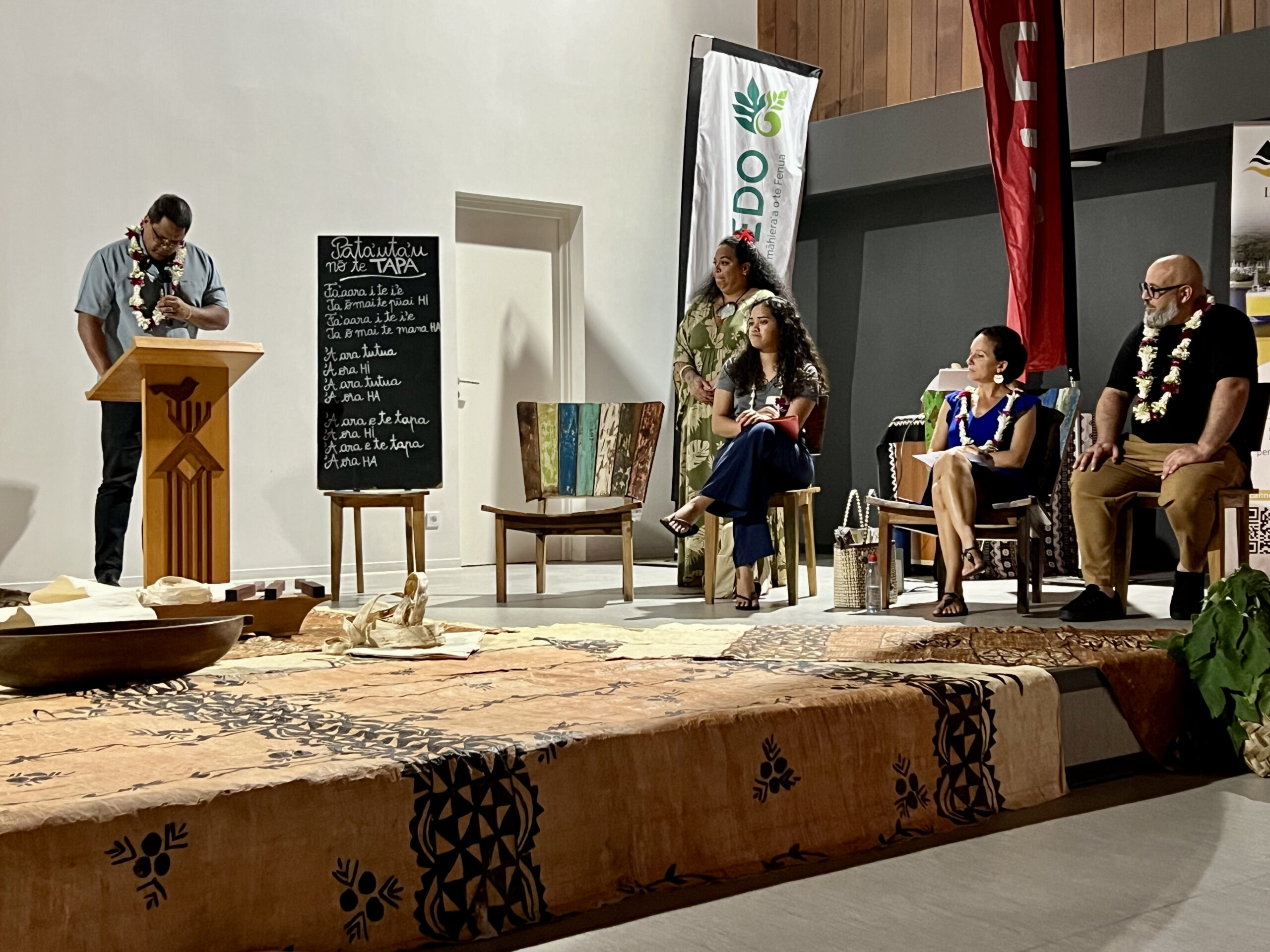
“Savoir pour tous – Turama ‘ia ‘ite te ta’ato’a” Conference, at the University of French Polynesia, hosted by Ben Amar ZEGHADI
Entitled “Territorial cooperation for the development of the Social and Solidarity Economy (SSE): from action to thought,” this conference examines the fundamental role of cooperation between actors in a territory in generating momentum for the Social and Solidarity Economy (SSE) and its pillars. By combining concrete action with agile thinking, the conference will examine how stakeholders can catalyze sustainable development while responding to the specific characteristics of different regions.
Mr. Ben Amar ZEGHADI’s expertise in the social and solidarity economy (SSE) sector and its development in overseas territories will provide an illustration of territorial cooperation contributing to the social and economic transformation of a specific territory, sharing his perspectives and analyses. Through concrete examples, notably that of Mayotte, and case studies, the aim will be to demonstrate the positive and virtuous impacts achieved through synergies between citizen engagement, social innovation, and resilience.
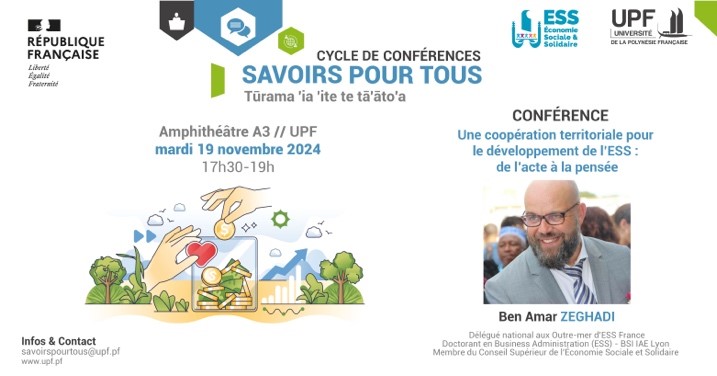
Tuesday, November 19, 2024, from 5:30 p.m. to 7 p.m. Open to the general public, no registration required. Amphitheater A3 – University of French Polynesia. Information
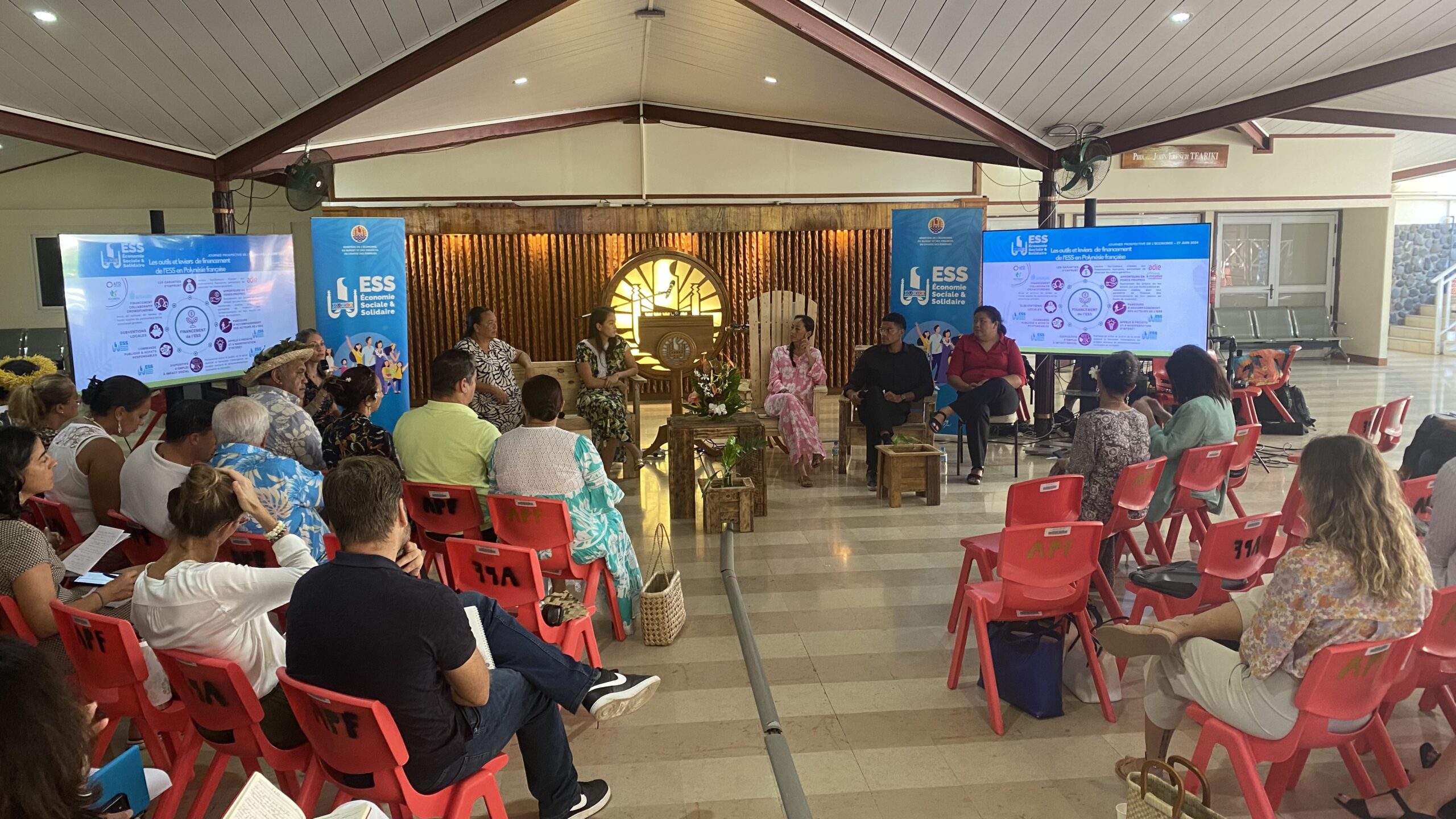
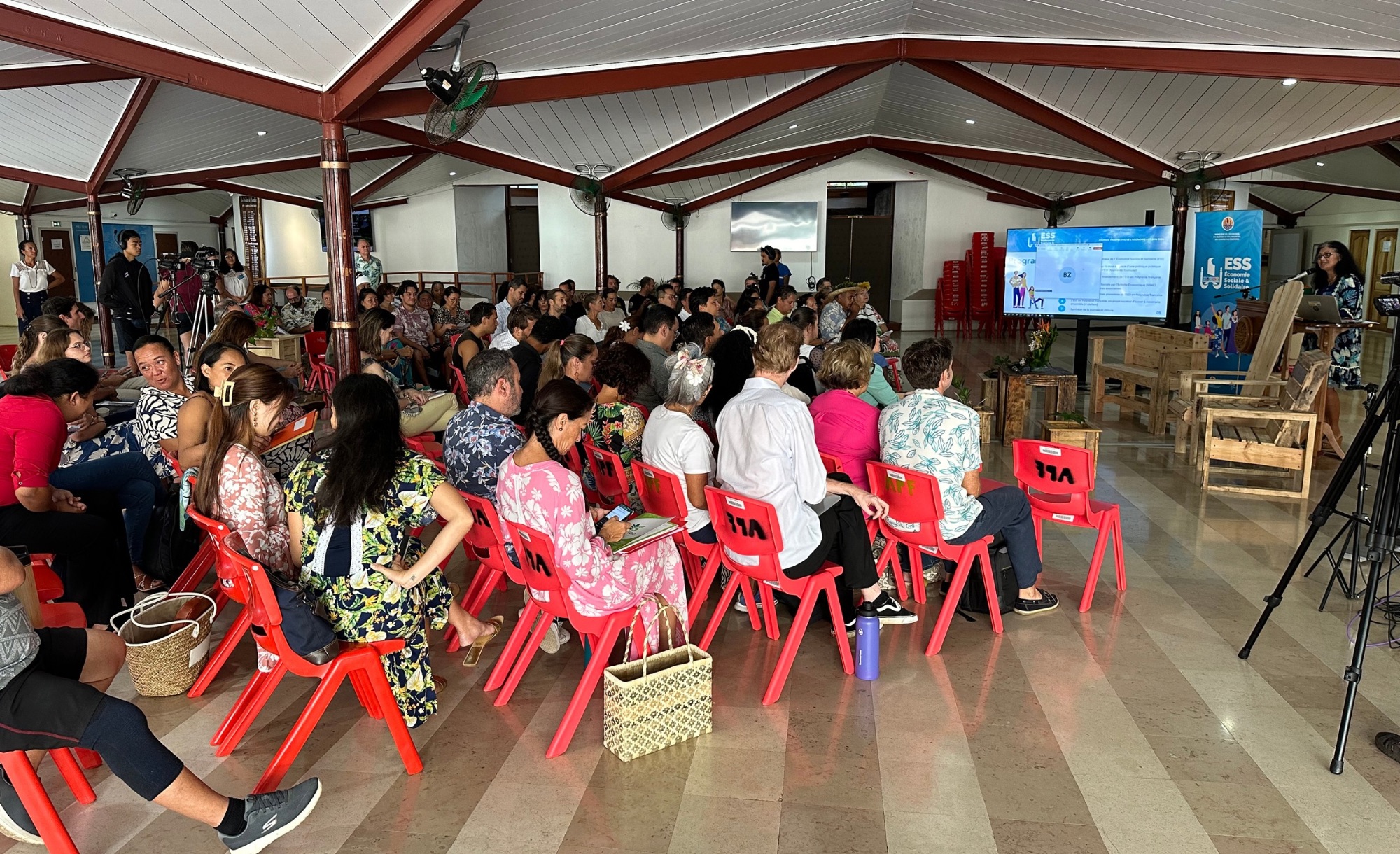
Prospective Economic Day dedicated to the Social and Solidarity Economy (SSE) Thursday, June 27, 2024, Assembly of French Polynesia
This Prospective Economic Day dedicated to the Social and Solidarity Economy (SSE) aimed to open up dialogue with all stakeholders concerned by this key issue.
In addition to being an economic sector in its own right, the SSE above all enables us to initiate a process aimed at “putting people back at the heart” of:
- our society,
- our institutions and administrative services,
- our socio-economic and environmental strategy, and ultimately, our short-, medium- and long-term societal choices.
The social and solidarity economy (SSE) is an innovative way of doing business based on the values of solidarity, cooperation, and sustainability. This economic model is often considered “disruptive” compared to the traditional economy, signaling the beginning of a shift toward an economic paradigm that is significantly different from the conventional one, but one from which more and more players seem to be dissociating themselves in recent years (as reflected in trends observed in metropolitan France and around the world).
In early 2024, Mr. Tevaiti-Ariipaea POMARE, then Minister of Economy, Budget, and Finance, in charge of Energy, included in his roadmap the preliminary work on adapting the legal, regulatory, fiscal, and operational framework of this promising sector, which offers Polynesian society a resilient and inclusive model, both in human and environmental terms.
To this end, the Economic Development Agency (ADE) has been tasked with carrying out the work of structuring the Social and Solidarity Economy (SSE) in our region.